
Sustainable innovation is an absolute necessity for the future of heavy industry. As we continue to document our journey towards sustainable manufacturing, we are incredibly excited to unveil the next phase of our evolution. Moser, which is part of the Honingcraft Group, has started its groundbreaking initiative: the development of a revolutionary, modular solar-powered chrome plant.
Honingcraft is thrilled to bring our decades of surface finishing expertise to the table. For engineers, ambitious professionals, and mechanically minded people across Southern Africa, finding value-driven solutions is essential for career growth and executing high-level projects. Whether you are optimising a factory floor or upgrading your home workshop capabilities, you know that dependable tools and uninterrupted processes are non-negotiable. This collaboration represents a massive paradigm shift in how we approach chrome plating and hardchrome applications in South Africa.
The Future of Electroplating at a Chrome Plant is Modular and Solar
Traditional electroplating is universally understood as an energy-intensive, heavy-industrial process. It typically relies entirely on a stable municipal grid to power high-amperage rectifiers. However, Moser is successfully changing that narrative, and we are proud to support that vision. The Moser En&D team successfully developed a desktop pilot for a modular electroplating system designed specifically to run on renewable energy.
To fully grasp the magnitude of this evolution, it is important to contrast this new infrastructure with legacy methods:
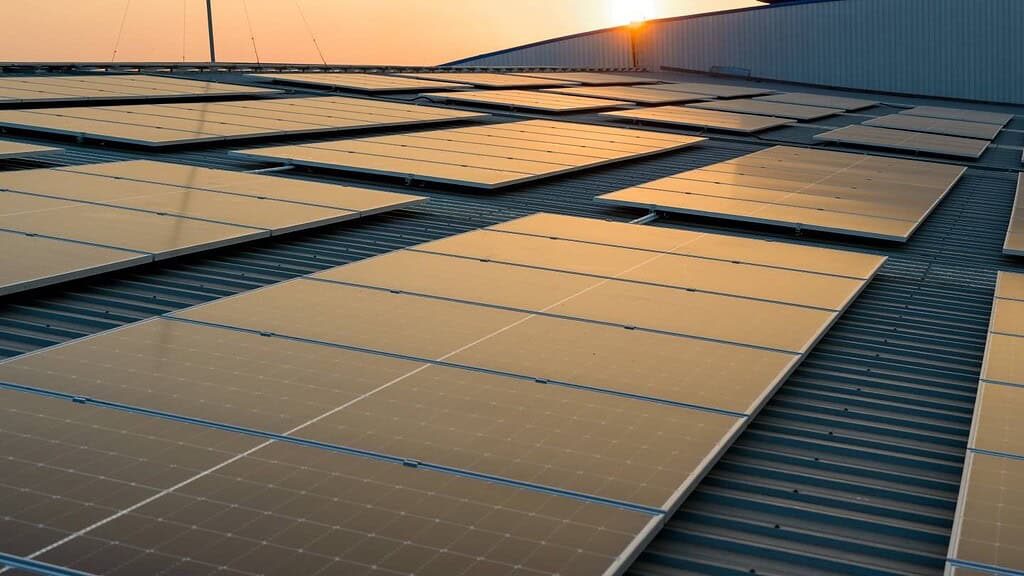
- Power Source: Traditional plants are entirely dependent on grid electricity. The new Moser system utilises solar energy in a grid-tied hybrid configuration to ensure round-the-clock operational stability.
- Scalability: Older facilities rely on massive, static plating lines that are difficult to upgrade. This new modular approach allows for rapid scalability and flexibility, drastically reducing the physical and environmental footprint of the process.
- Precision and Efficiency: Despite its smaller scale, the desktop pilot chrome plant maintains the exceptionally high standards of quality Honingcraft is known to demand, producing a durable, high-friction-resistant hardchrome finish without fail.
A Powerful Collaboration for a Sustainable Industry
This project is a masterclass in strategic alignment. The development of this new technology is proudly funded by the CSIR (Council for Scientific and Industrial Research) and co-developed in partnership with Phasecon, who are renowned experts in advanced power electronics and rectifiers. Honingcraft has just partnered with them to ensure the surface finishing execution meets the highest commercial tolerances.
The collaborative milestones and structural scheduling are formally outlined in the chrome plant workplan, setting a precise standard for local manufacturing innovation. By combining Honingcraft’s extensive operational experience with Moser’s project leadership and Phasecon’s technical expertise, the team has created an ecosystem that bridges the gap between industrial necessity and environmental responsibility.
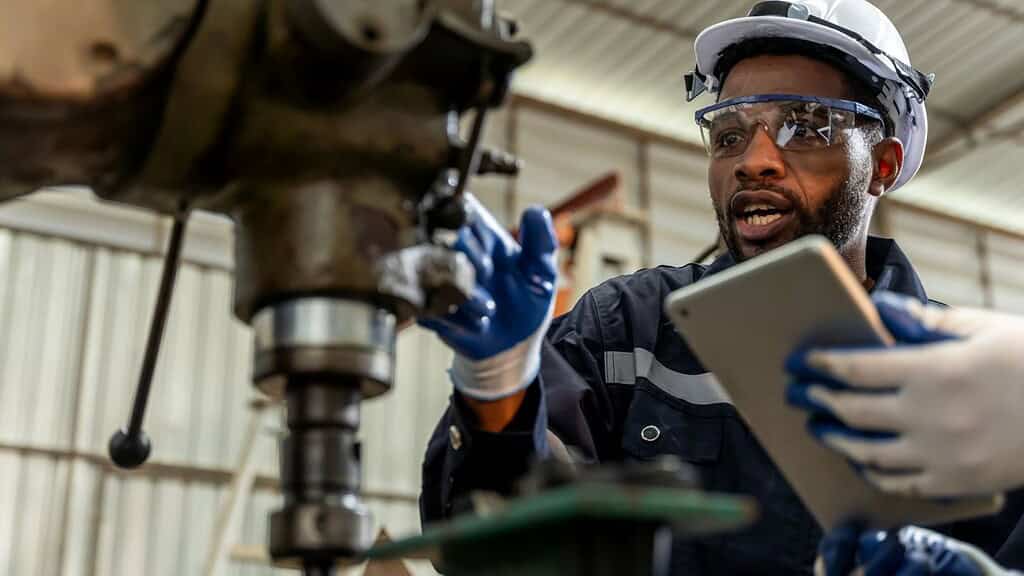
This robust infrastructure shift directly benefits adjacent heavy-duty machining processes, particularly Deep Hole Drilling. In hydraulic cylinder manufacturing, any sudden drop in power during a heavy drilling cycle can instantly damage boring tools or create microscopic defects inside the barrel. By stabilising the plant’s primary energy grid with an independent solar array, the entire production chain is protected. It ensures that the boring, honing, and chroming services operate with absolute mechanical synchronisation.
Why an Environmental Angle Matters
Chrome plating is essential for the longevity of hydraulic components. It extends the life of rods and barrels by protecting them against severe corrosion and industrial wear. However, we believe that extending life must apply to the planet just as much as it applies to industrial equipment.
By shifting toward Moser’s solar-powered electroplating model, the industry is achieving three core objectives:
- Reducing Carbon Footprint: Significantly lowering the carbon dioxide emissions associated with the high-amperage rectifiers used in traditional plating facilities.
- Resource Efficiency: The modular nature of the plant allows for superior waste management, optimal chemical recovery, and precise compound usage.
- Energy Security: Utilising a grid-tied hybrid system ensures that production remains entirely consistent, even during severe local energy fluctuations, without relying on fossil fuels.
From Desktop Pilot to Commercial Reality
While the current system is a highly successful desktop pilot, the vision extends much further. Moser is now actively looking toward the next major milestone: the construction of a full-scale commercial pilot plant. This will be the first facility of its kind in South Africa, conclusively proving that high-end industrial surface treatments such as hardchrome can be both world-class and eco-friendly.

We invite our clients, industrial partners, and the local engineering community to join us in supporting this historic transition. The future of South African manufacturing is clean, highly efficient, and powered directly by the sun.
If you are looking to elevate your operations or collaborate with a team dedicated to honest and dependable service, we are ready to assist. Stay tuned to our Newsroom as we continue to document our journey toward a more sustainable future in the hydraulic industry.
Related Read: Honingcraft Goes Solar