In heavy-duty fluid power systems, raw-material selection dictates long-term efficiency, maintenance cycles, and operational safety. Engineers, hydraulic technicians, and ambitious workshop builders often confront a shared challenge: early component wear, vibration fatigue, and structural distortion caused by high hydraulic pressure. Standard structural mild steel or traditional grey cast iron frequently succumbs to fatigue under relentless cycling, forcing premature downtime and expensive replacements.
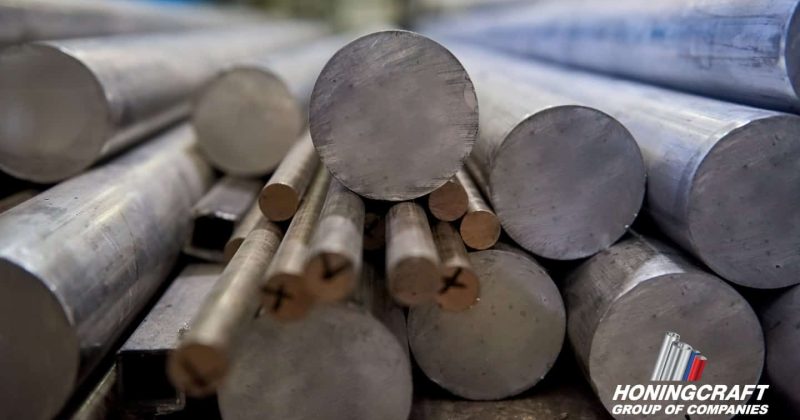
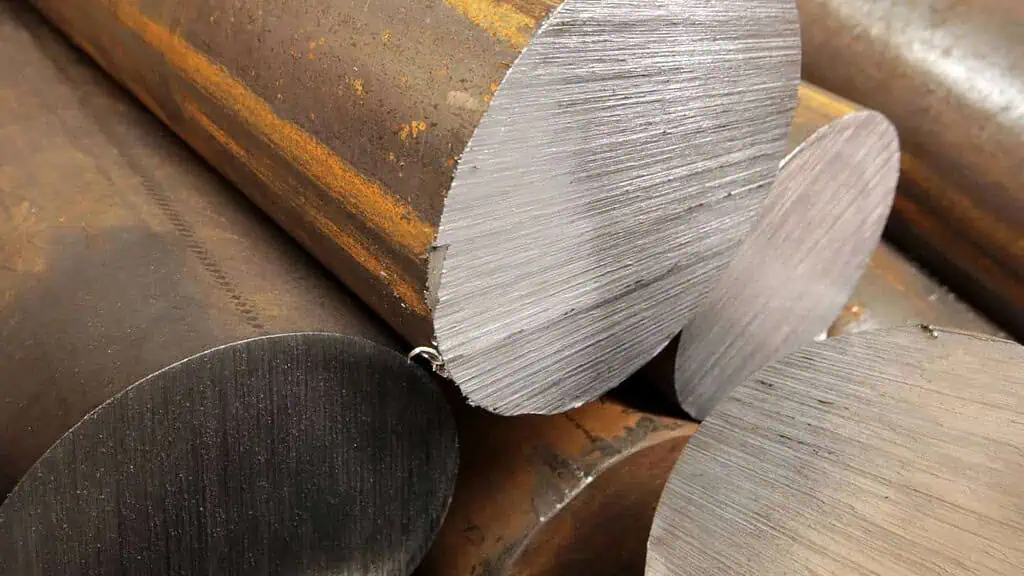
To solve this challenge, precision engineering relies on continuous cast spheroidal graphite iron, specifically GGG40 cast iron (EN-GJS-400-15). Engineered to deliver the strength of carbon steel alongside the wear resistance and vibration damping of traditional cast iron, GGG40 has become the industry standard for high-performance hydraulic cylinders, valve blocks, gland caps, and pistons.
Understanding the technical characteristics of GGG40 ductile cast iron reveals why it consistently outclasses alternative metals in demanding hydraulic applications across South Africa. To better understand how different metals compare, read our full guide on steel grades and uses.
Technical Comparison: GGG40 Cast Iron vs. Steel and Grey Iron
The fundamental difference between GGG40 and conventional metals lies in its microscopic carbon structure. In traditional grey iron (such as GG25), carbon exists as thin graphite flakes. Under heavy tension or pressure spikes, these flakes act as internal stress risers, causing micro-fractures to propagate rapidly through the material.
In GGG40, magnesium treatment during casting transforms the carbon into rounded graphite nodules (spheroids). This nodular structure eliminates sharp internal stress points, giving the metal high ductility, impact resistance, and elongation properties.
| Material Property | Grey Iron (GG25) | Carbon Steel (S355) | GGG40 Cast Iron |
| Graphite Structure | Flake | None (Carbides) | Spheroidal / Nodular |
| Tensile Strength (MPa) | ~250 | ~490 – 630 | 400 – 450 |
| Yield Strength (MPa) | Low / Brittle | ~350 | 250 – 310 |
| Elongation (%) | < 0.8% | ~20% | 15% |
| Vibration Damping | High | Low | High |
| Machinability Rating | Moderate | Fair | Excellent |
1. Stress Tolerance and Pressure Resilience
While carbon steel offers high tensile strength, it lacks natural self-lubricating properties and suffers from poor vibration damping. Under constant pressure pulsations from hydraulic fluid, steel components can transmit high-frequency harmonics that wear out seals, O-rings, and internal packings.
GGG40 cast iron combines a high yield strength (up to 310 MPa) with an elongation rating of 15%. This elasticity allows hydraulic cylinder glands and pistons to withstand localised pressure spikes without brittle cracking or structural distortion.
2. Friction Management and Wear Resistance
Every hydraulic application generates friction between moving mechanical surfaces. The spherical graphite nodules dispersed throughout GGG40 act as microscopic built-in lubricant reservoirs. When machined to precise tolerances, the surface retains hydraulic oil inside tiny micro-recesses, maintaining an unbroken film of lubrication even during low-speed, high-load cycles.
Value Proposition: Long-Term ROI and Performance Benefits
Whether you manage a commercial machine shop in Johannesburg or engineer custom machinery for agricultural and mining equipment, material selection directly affects operational overhead.
- Lower Machining Costs: GGG40 continuous cast iron features consistent density without internal blowholes or sand inclusions. Machining speeds can be increased by 20% to 40% compared to forged steel, significantly reducing tool wear and machining times.
- Extended Seal Life: The low friction coefficient of GGG40 cast iron reduces thermal build-up at contact points. Seals run cooler, remain pliable for longer periods, and require less frequent replacement during maintenance routines.
- Corrosion and Cavitation Resistance: Hydraulic systems exposed to harsh African climates face moisture ingress and fluid cavitation. GGG40 exhibits superior resistance to pitting and surface oxidation compared to standard carbon steels.
- Superior Dimensional Stability: Stress-relieved continuous cast iron holds tight geometric tolerances during precision honing, turning, and boring, ensuring leak-free performance under pressure.
Optimise Your Hydraulic Systems with Honingcraft
Reliable hydraulic performance starts with verified material quality. Substandard castings with internal porosity lead to wall blowouts, hydraulic fluid leaks, and costly downtime.
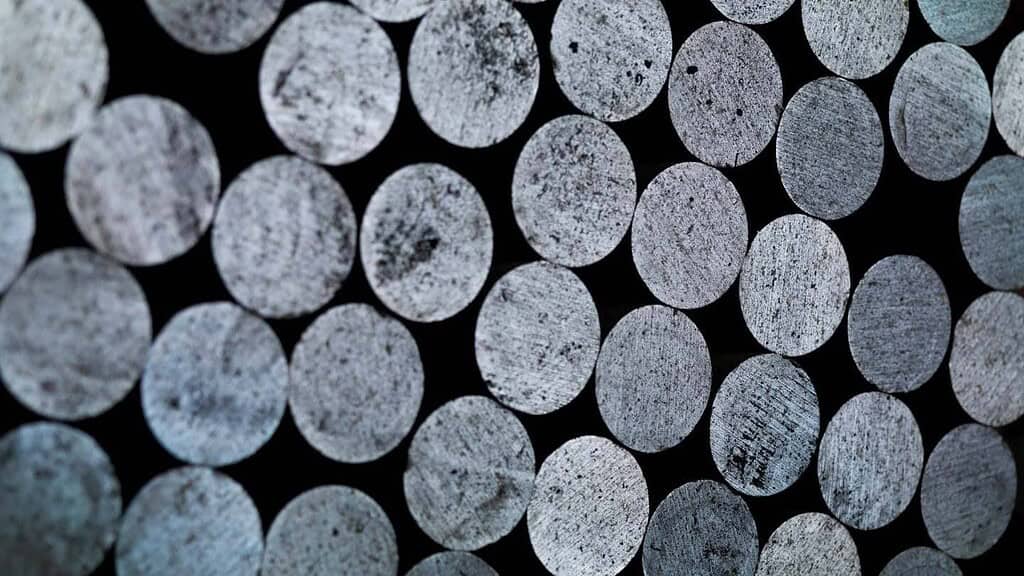
Honingcraft supplies premium ductile cast iron rounds tailored to exact engineering specifications. From custom hydraulic cylinder repairs to large-scale equipment manufacturing, our team delivers raw materials and precision-machined solutions that meet strict international quality benchmarks.
Ready to enhance your hydraulic designs with high-grade GGG40 cast iron? Visit the Honingcraft Cast Iron product page to view detailed material datasheets, check stock availability, and request a direct quote for your next project.
Contact our team of experts for more information.