Laser Cladding

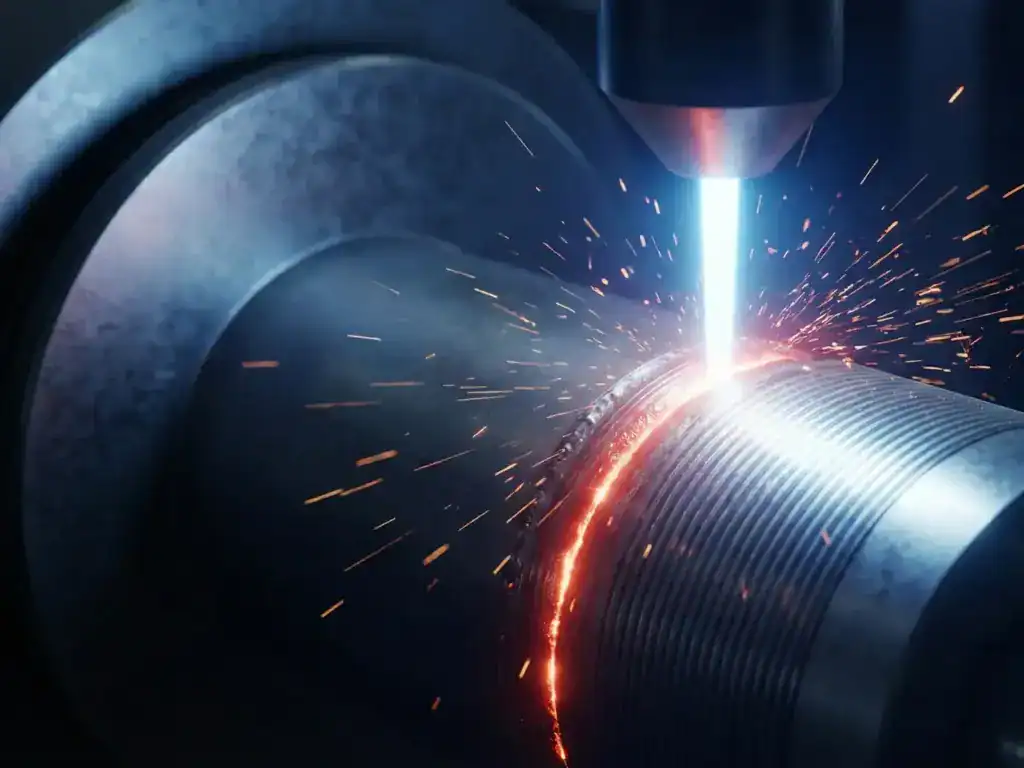
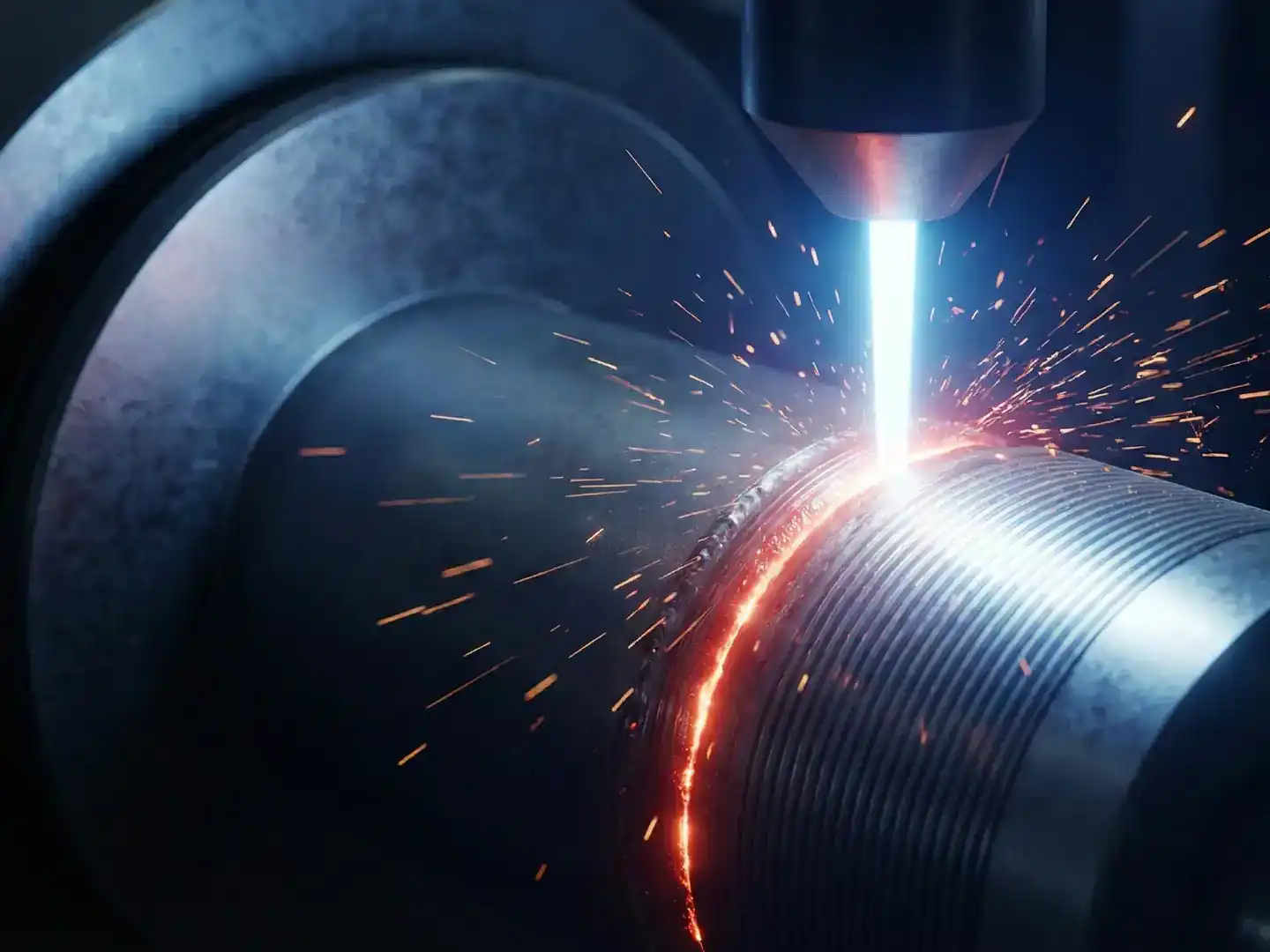
Laser Cladding, also known as Laser Metal Deposition (LMD), is a cutting-edge surface enhancement technology. It works by using a high-powered laser beam to create a precise molten pool on the surface of the metal substrate. Simultaneously, a selected metallic powder (such as nickel, cobalt, or tungsten carbide alloys) is accurately injected into this pool. The powder melts and fuses metallurgically with the cylinder rod’s base material as the laser passes, forming a dense, uniform, and ultra-durable protective layer. Unlike conventional coatings like chrome plating, laser cladding creates a true fusion weld with the base material, virtually eliminating the risk of coating delamination, cracking, or peeling under stress. Laser cladding is applied after the tolerance for a chroming layer of 250 microns has been reached.
Please provide more details about this job *

Description

Material Powders Available:
  • Stellite: Used for hardfacing components that require high-temperature wear, corrosion, and galling resistance.
  • Delchrome: Used for the repair and protection of industrial components requiring high abrasion and specific wear solutions.
  • N580: Used for coating components that demand exceptional high-temperature strength and creep resistance.
  • Bronze – PB1: Used to coat or repair components due to its excellent tribological properties and low friction.
Laser Cladding offers a multitude of benefits, particularly for industrial equipment operating in harsh environments:

Superior Wear and Corrosion Resistance

The cladded layer provides a pore-free barrier that is significantly harder and denser than traditional coatings. This protection is vital against:
  • Abrasive Wear: Minimising damage from grit, dust, and particulate matter found in mining, construction, and heavy machinery.
  • Corrosion: Offering exceptional resistance to harsh chemicals, saltwater, and moisture, which is critical for marine, offshore, and corrosive processing environments. The fully dense, non-porous surface blocks contaminants from reaching and damaging the underlying metal (sub-corrosion). 

Metal Strengthening and Enhanced Ductility

Laser cladding effectively strengthens the metal surface without compromising the core properties:
  • High Ductility: Unlike chrome plating, the laser-cladded layer maintains high ductility. This allows the material to absorb high stress from impacts, bending, and vibration without cracking or chipping, dramatically increasing resilience.
  • Minimal Heat-Affected Zone (HAZ): The high precision of the laser ensures low heat input into the base material. This minimal thermal distortion preserves the original mechanical strength and microstructure of the metals.
Laser cladding is not just for new builds; it’s an exceptional tool for cylinder repair and restoration.

Additional Products & Solutions:

0
    0
    Your Quote
    Your cart is empty